
Can You Ship Sperm Internationally?
Frozen sperm can be transported internationally for fertility treatment, but both clinics need to agree the transfer and the sample must remain safely cryopreserved.
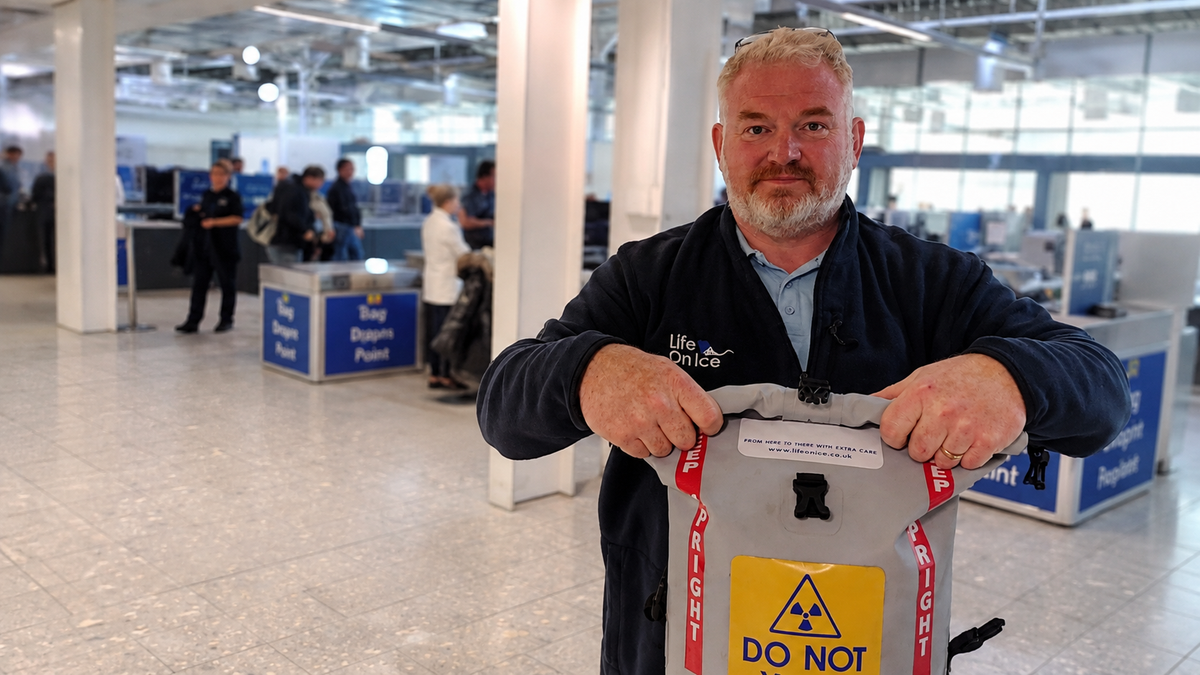
Yes — frozen sperm can be transported internationally for fertility treatment, but it isn’t quite as simple as sending an ordinary parcel overseas.
Human sperm used for fertility treatment is biological material subject to strict regulatory, documentation and handling requirements. If you are moving frozen sperm from a UK fertility clinic to a clinic overseas, or bringing sperm into the UK from another country, both clinics will normally need to be involved before transport can take place.
Why might sperm need to be transported internationally?
There are many reasons someone may need to move frozen sperm between countries.
You may have sperm stored in the UK but be planning IVF or other fertility treatment abroad. You might be relocating to another country and want your stored samples to move with you. Alternatively, sperm may need to be imported into the UK from an overseas clinic or sperm bank.
Whatever the reason, the first step is usually to speak to the clinic currently storing the sperm and the clinic that will be receiving it.
Can I arrange the shipment myself?
The transport itself can be organised by a specialist fertility courier, but the clinics must deal with the clinical and regulatory requirements surrounding the transfer.
In the UK, the Human Fertilisation and Embryology Authority (HFEA) regulates licensed fertility clinics. The HFEA confirms that sperm, eggs and embryos can be imported into and exported from the UK, provided the relevant requirements are met.
Not every clinic offers international import and export services, and requirements can vary according to the countries and clinics involved.
This means it is important not to book transport until the sending and receiving clinics have agreed that the transfer can proceed.
How is frozen sperm transported?
Frozen sperm is normally stored at extremely low temperatures in liquid nitrogen.
For transport, it is typically placed in a specialist container known as a dry shipper. A properly prepared dry shipper absorbs liquid nitrogen into material inside the vessel, allowing the contents to remain at cryogenic temperatures without carrying a reservoir of free liquid nitrogen.
This is very different from ordinary refrigerated or frozen transport.
The aim throughout the journey is to maintain the sperm safely at cryogenic temperature and to preserve an auditable chain of custody from the releasing clinic to the receiving clinic.
What paperwork is needed?
The precise documentation depends on where the sperm is travelling from and to, whether it is partner or donor sperm, and the requirements of the individual clinics and regulatory authorities.
Documents may include:
- patient identification and consent documentation
- details of the samples being transferred
- laboratory and storage records
- infectious-disease screening information
- import or export documentation
- confirmation that the receiving clinic has agreed to accept the samples
- courier and chain-of-custody records.
Where sperm is being imported into Great Britain from another country, additional regulatory requirements may apply. The receiving UK clinic is responsible for ensuring that the proposed import complies with HFEA requirements.
Your courier can coordinate the physical transfer, but regulatory approval remains a matter for the clinics concerned.
How long does an international sperm transfer take?
The journey itself may only take a day or two. The paperwork often takes considerably longer.
If two clinics regularly work together, arrangements can sometimes be relatively straightforward. If they have not previously exchanged samples, further checks, agreements or regulatory approvals may be necessary.
For that reason, we recommend beginning the process well before the sperm is needed for treatment.
Do not assume that because a flight can be booked next week, the sperm can travel next week.
Why use a specialist fertility courier?
Cryopreserved sperm is irreplaceable biological material. Its transport requires considerably more care than an ordinary international shipment.
At Life on Ice, fertility samples are transported clinic to clinic using validated cryogenic dry shippers, with temperature monitoring and a documented chain of custody throughout the journey.
We specialise exclusively in the movement of reproductive material, including sperm, eggs and embryos.
That means we understand that this is not simply another consignment. It may represent months or years of treatment, fertility preservation before medical treatment, donor material that is difficult to replace, or somebody's only remaining opportunity for genetically related children.
Planning an international sperm shipment?
Start by contacting both your current storage clinic and the clinic that will receive the sperm. Once they have agreed the transfer and confirmed the necessary documentation, Life on Ice can help coordinate the transport between them.
If you're unsure where to begin, contact Life on Ice and tell us where your sperm is currently stored and where it needs to go. We can explain the transport process and help you work out the next steps with your clinics.
This information is intended as general guidance. Import, export and clinic requirements vary according to the countries involved and the circumstances of the individual treatment.